

Trenching and excavation work remain among the most hazardous activities in the construction industry. According to the Occupational Safety and Health Administration, trench collapses can occur within seconds and often result in serious injuries or fatalities. Because of these risks, OSHA conducts trench safety inspections to ensure employers are following proper excavation safety standards and protecting workers on site.
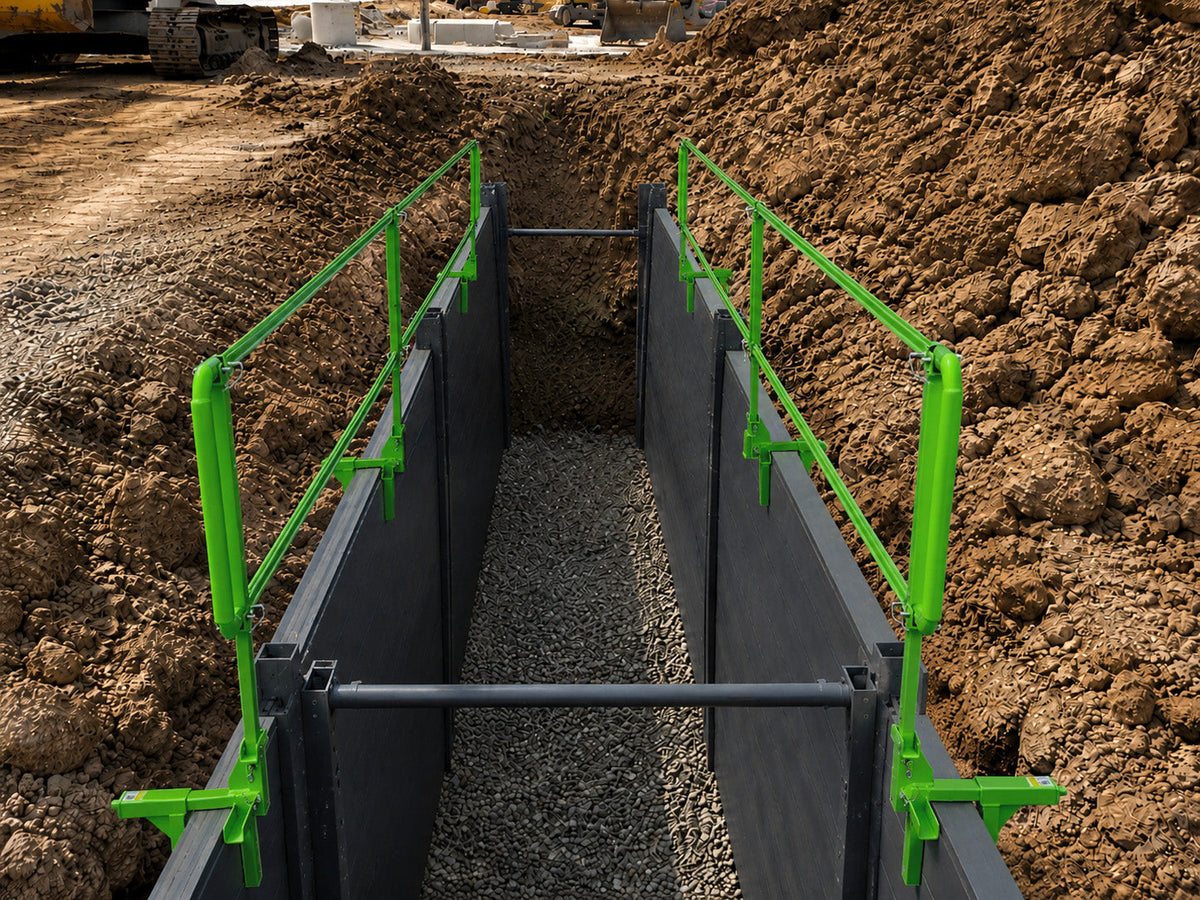
One of the first things OSHA inspectors evaluate is whether a protective system is being used for trenches deeper than 5 feet, unless the excavation is made entirely in stable rock. Protective systems may include sloping, shoring, or trench boxes designed to prevent cave-ins and soil collapse.
Inspectors also review the condition of the excavation itself, including soil classification, water accumulation, nearby heavy equipment, and signs of instability such as cracks, shifting soil, or vibration exposure. Any condition that increases the risk of collapse can quickly become a major safety violation.
Another key focus during inspections is safe access and egress. OSHA requires ladders, ramps, or other safe exit points to be located within 25 feet of workers in trenches that are 4 feet deep or more. Improper access is one of the most commonly cited trenching violations because it can delay emergency evacuation during a collapse or hazardous event.
Atmospheric hazards are also an important part of trench inspections, especially in deeper excavations or areas near underground utilities, pipelines, or confined spaces. OSHA may check whether atmospheric testing has been conducted to identify oxygen deficiency, toxic gases, or flammable vapors before workers enter the excavation.
In addition, inspectors verify whether a competent person is present on site. OSHA defines a competent person as someone capable of identifying existing and predictable hazards and authorized to take immediate corrective action. Daily trench inspections by a competent person are required before each shift and after conditions such as rainstorms, vibrations, or other events that could affect soil stability.
Common OSHA Trench Safety Inspection Items
|
Failing an OSHA trench safety inspection can result in significant penalties, project delays, and increased liability for employers. More importantly, overlooking trench safety procedures can place workers at serious risk.
Maintaining trench safety requires more than compliance alone. Proper planning, worker training, routine inspections, and reliable protective equipment all play a critical role in creating safer excavation environments and reducing preventable accidents on the job site.