

Confined spaces and trenches are both considered high-risk work environments, but they involve different hazards, regulations, and safety requirements. Understanding the difference between the two is critical for maintaining OSHA compliance and protecting workers from serious injuries or fatalities.
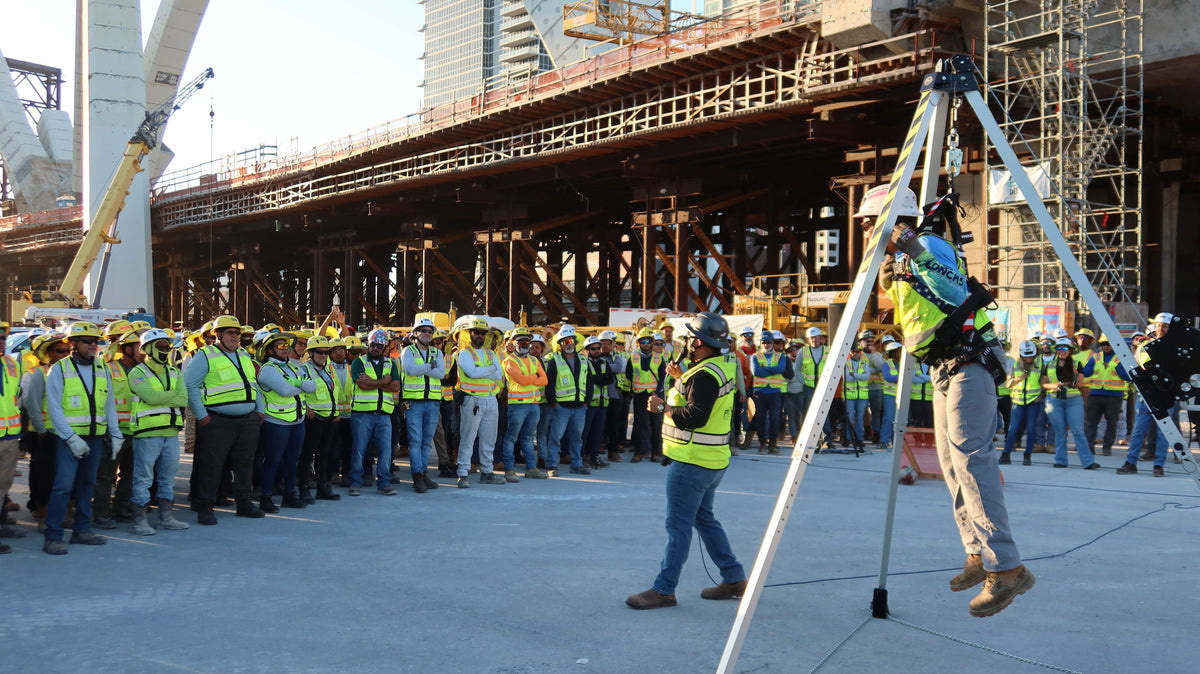
A confined space is an area large enough for a worker to enter, with limited or restricted means of entry and exit, and not designed for continuous occupancy. Common examples include tanks, manholes, vaults, tunnels, silos, and pipelines. These environments may contain hazardous atmospheres, low oxygen levels, toxic gases, engulfment hazards, or other dangerous conditions that require specialized procedures and equipment.
A trench is a narrow excavation made below ground level, commonly used in construction, utility installation, telecommunications, and pipeline projects. Unlike confined spaces, the primary hazard in trenching operations is cave-ins or soil collapse, although workers may also be exposed to falling loads, underground utilities, water accumulation, or hazardous atmospheres.
Although the two environments can sometimes overlap, they are not automatically classified the same way. A trench may become a confined space if it contains restricted entry or exit points and additional atmospheric or safety hazards.
Key Differences Between Confined Spaces and Trenches
|
Because both environments present serious risks, Occupational Safety and Health Administration requires employers to provide proper hazard assessments, worker training, and protective systems before work begins. This includes atmospheric testing, excavation safety procedures, rescue planning, equipment inspections, and fall protection training.
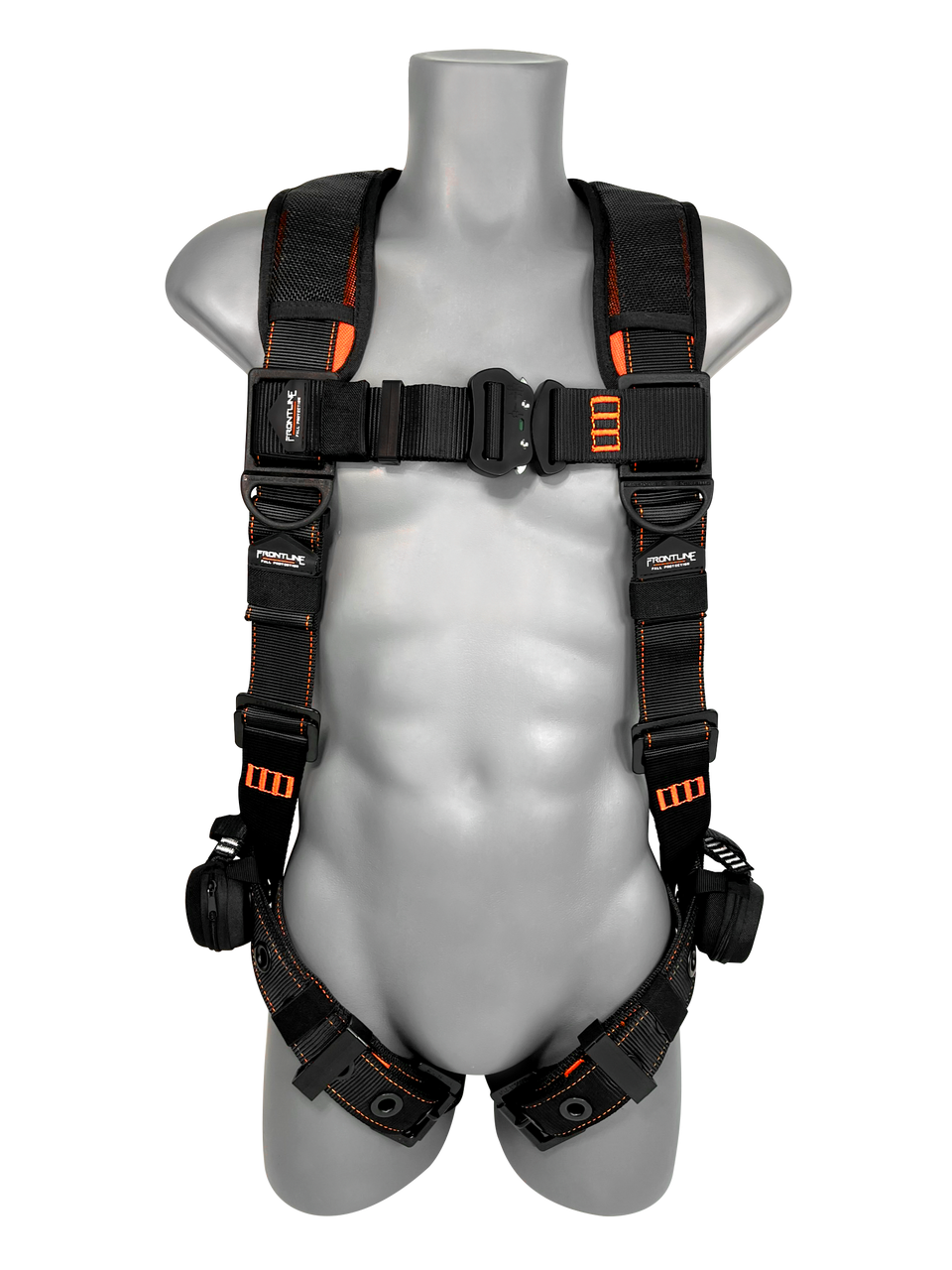
Proper safety equipment also plays a critical role in reducing workplace incidents. Workers operating in confined spaces and trenching environments often rely on harnesses, retrieval systems, guardrails, ventilation equipment, and other OSHA- and ANSI-compliant safety solutions.
Companies like Frontline Fall Protection support safer job sites by providing certified safety equipment and specialized training programs designed for high-risk environments. Combining practical training with reliable equipment helps companies improve compliance, reduce accidents, and strengthen overall workplace safety culture.